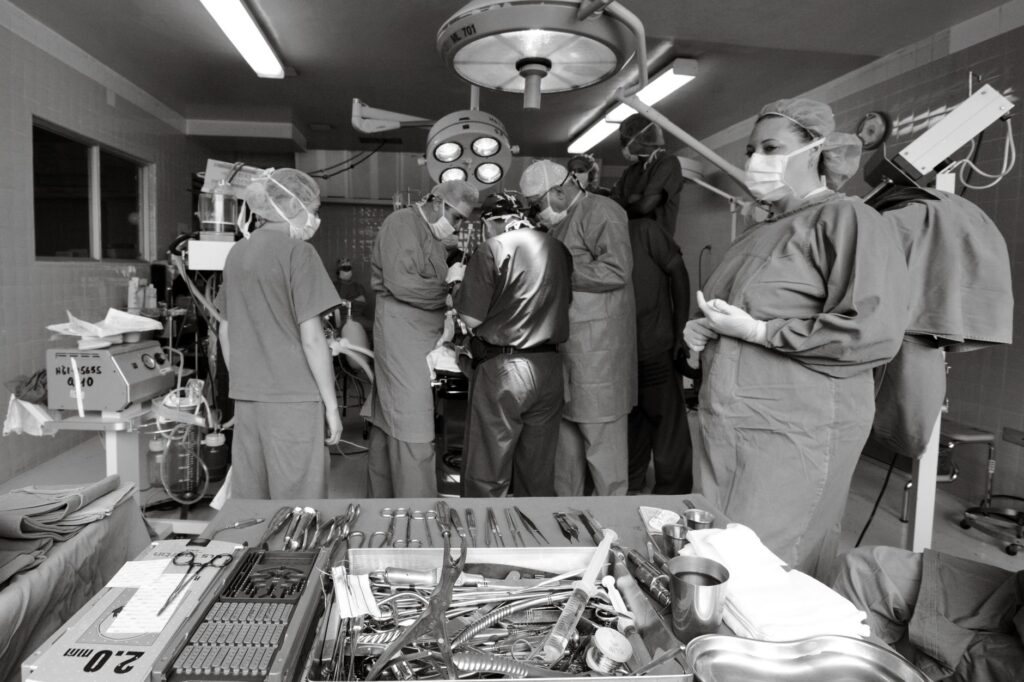
Both anesthesiologists and CRNAs (Certified Registered Nurse Anesthetists) provide anesthesia during surgery, but the surprise billing risk is not meaningfully different between them—it depends on whether they're in-network at your facility and how they bill. Federal law now protects patients from out-of-network anesthesia bills in most cases through the No Surprises Act, which the Department of Labor enforces, but gaps still exist and complaints remain common. The real factor is not provider type but contract status: an out-of-network anesthesiologist or CRNA at an in-network hospital can send a surprise bill unless state law or the facility's agreements prevent it. Knowing your rights and your provider's status before surgery is your strongest protection.
Table of Contents
- What the No Surprises Act covers in anesthesia
- When surprise bills still happen despite the law
- Verify your anesthesia provider before surgery
- What to do if you get a surprise anesthesia bill
- Questions to ask your surgical center now
- Frequently Asked Questions
What the No Surprises Act covers in anesthesia
The No Surprises Act protects patients from surprise medical bills when they receive emergency care or non-emergency care from out-of-network providers at an in-network hospital. For anesthesia, this means you cannot be charged an out-of-network rate if the anesthesiologist or CRNA was assigned to your surgery at a facility you chose for being in-network.
The provider must accept your insurance's in-network rate, regardless of their contract status. This protection applies equally to both anesthesiologists and CRNAs. The law does not distinguish by provider type—both are covered under the same anesthesia billing rules. The Centers for Medicare & Medicaid Services and the Department of Labor enforce this protection and track complaints, though enforcement gaps remain.
When surprise bills still happen despite the law
The No surprises Act has limits. If you deliberately chose an out-of-network facility, the protection does not apply. Additionally, some bills slip through if your insurance company and the provider disagree on whether the facility was in-network or on the applicable rate. Commonwealth Fund research on anesthesia billing found that prices paid to anesthesiologists still vary significantly even after surprise billing legislation, suggesting gaps between legal protections and real billing outcomes.
Emergency procedures, where you had no choice of provider or facility, carry stronger legal protection. Elective surgery where you selected an in-network hospital should trigger the No Surprises Act automatically, but anesthesia providers may still try to bill you directly if they claim a billing error occurred.
Verify your anesthesia provider before surgery
Contact your surgical facility at least one week before the procedure and ask whether the anesthesiologist or CRNA is in-network with your insurance. Many hospitals employ staff anesthesia providers, while others contract with independent groups; contract status affects your risk. Ask your insurance company directly whether the anesthesia provider is in-network at that facility.
Request a written confirmation that your anesthesia provider is in-network. Some facilities will email this; others require a phone call. If the provider is out-of-network, ask your insurance what your responsibility is and whether the No Surprises Act applies—the answers depend on your plan and the facility's agreements. Document all communications in case a bill arrives later.
What to do if you get a surprise anesthesia bill
Do not pay the bill without investigating first. Verify whether the provider was actually out-of-network and whether your surgery qualifies for No Surprises Act protection—most do. Contact your insurance company with your surgery date, facility name, and the bill amount, and ask whether the claim should have been in-network. If your insurance confirms the protection applied, file a complaint with the Department of Labor or your state insurance commissioner.
Many states have separate surprise billing laws that may offer additional remedies. The provider can be fined for violating the No Surprises Act, and you may not owe the out-of-network charges at all.
Questions to ask your surgical center now
- Is the anesthesiologist or CRNA on staff, or contracted from an outside group?
- Is that provider or group in-network with my insurance?
- If out-of-network, which law protects me and who enforces it?
- Will the facility guarantee I will not receive a surprise bill from anesthesia?
- Can they send written confirmation of in-network status in advance?
Frequently Asked Questions
Is a CRNA cheaper than an anesthesiologist?
That depends on your insurance and whether each is in-network at your facility. The No Surprises Act caps what you owe either provider if you had surgery at an in-network hospital, regardless of their credential or usual cost.
Can an anesthesia provider bill me separately from the hospital?
Yes, which is why surprise bills happen. The facility bills for the surgery and facility fees; the anesthesia provider bills separately for their services. Both must be in-network for you to avoid a surprise. Always confirm both in advance.
What if I am already in debt from a surprise anesthesia bill?
Contact your insurance company to dispute it under the No Surprises Act. If your case qualifies, you may owe only the in-network rate or nothing at all. File a complaint with your state insurance commissioner or the Department of Labor if the provider refuses to correct it.